What Rating Standards Reveal About User Loyalty in Mobile Games
Written by Iris Lehmann · Nov 11, 2026
What Rating Standards Reveal About User Loyalty in Mobile Games
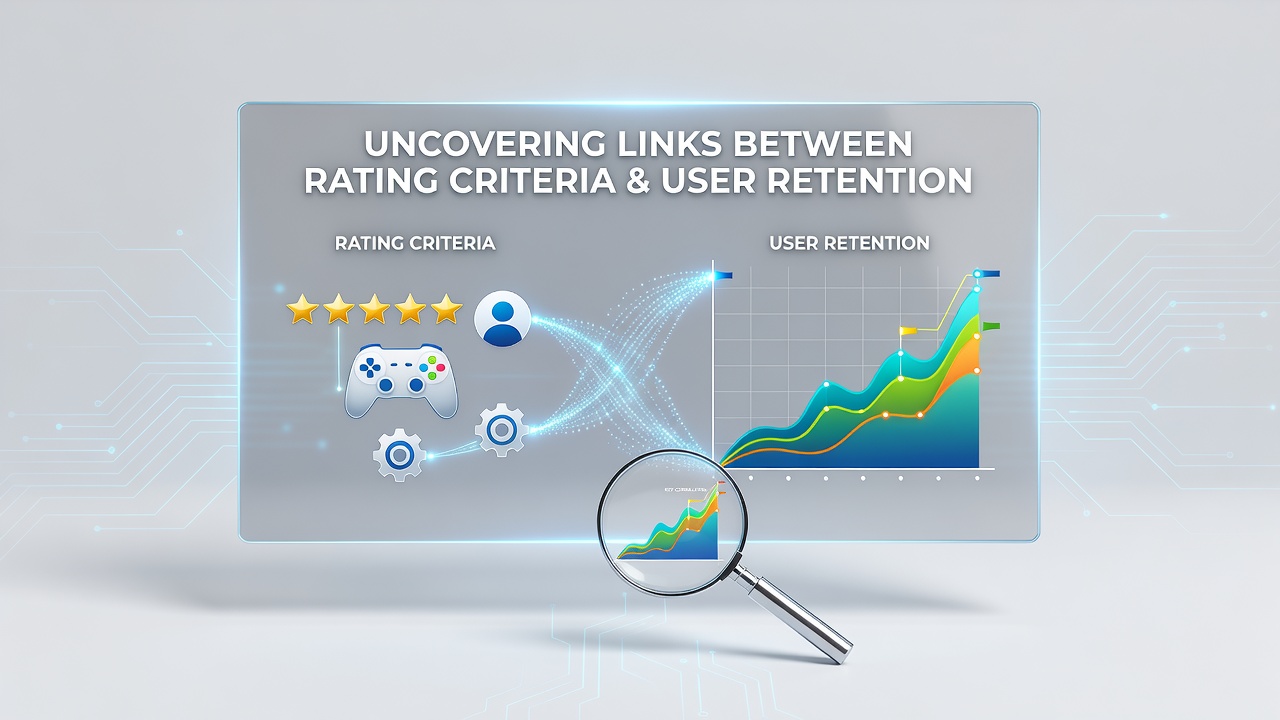
Rating criteria in mobile gaming applications encompass factors such as gameplay mechanics, visual quality, update frequency, and customer support responsiveness, while user retention tracks how long players continue engaging with an app after initial download. Researchers have examined these elements through aggregated app store data and analytics platforms, revealing patterns where higher scores in specific criteria correlate with extended session lengths and repeat usage. Data from industry reports compiled in November 2026 indicate that apps scoring above 4.5 stars on major distribution platforms maintain 30 percent higher monthly active user rates compared to those below 4.0.
Core Rating Criteria in Mobile Gaming
App stores evaluate titles based on structured elements including user-submitted reviews, algorithmic assessments of performance stability, and compliance with content guidelines. Observers note that gameplay depth often weighs heavily in these evaluations because it directly influences early-stage retention, whereas graphics quality tends to affect discovery rates through featured placements. Studies compiled by academic institutions show that apps incorporating regular content expansions see review sentiment improve over time, which in turn supports sustained downloads and play sessions.
Performance metrics such as load times and crash frequency also factor into overall ratings, with platforms like those operated in the United States and the European Union applying automated detection systems to flag technical issues. Those who've analyzed large datasets find that titles addressing bugs within 48 hours of reports experience measurable upticks in retention curves during the first 30 days post-update.
Measuring Retention Through Behavioral Data
Retention analytics typically break down into day-one, day-seven, and day-thirty benchmarks, drawing from telemetry collected across millions of devices. Figures released by market intelligence firms reveal that games with strong social features, such as leaderboards and cooperative modes, demonstrate slower decay rates in user activity. Australian regulatory bodies tracking digital entertainment consumption have documented similar trends, noting that integrated progression systems encourage longer-term commitment when paired with transparent reward structures.
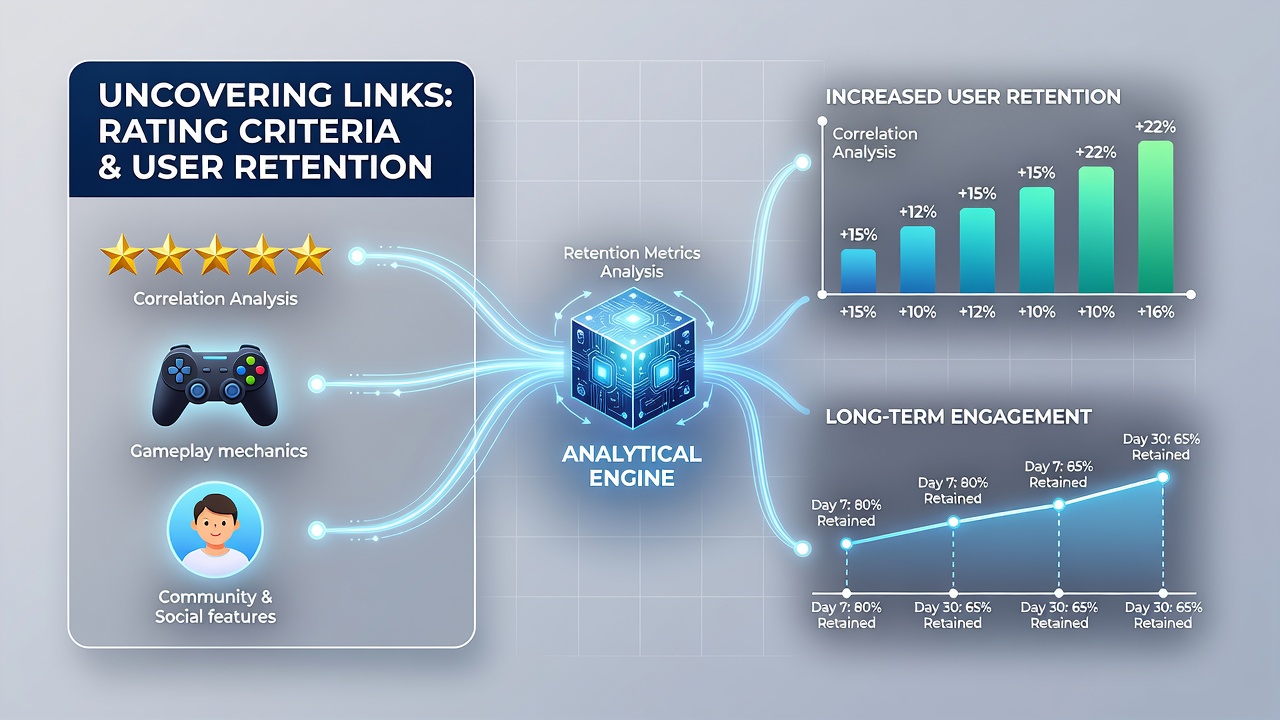
What's interesting is how rating visibility on store pages amplifies these effects. When an app maintains consistent scores across regions, international user bases expand more steadily, according to cross-border usage reports from trade associations. One study revealed that titles optimized for both mobile and tablet interfaces retain users across device types at higher rates, particularly in markets where screen size preferences vary widely.
Established Correlations and Industry Examples
Evidence suggests direct ties between specific rating drivers and retention outcomes. For instance, titles that prioritize accessibility options like customizable controls receive favorable mentions in reviews, which researchers link to broader demographic appeal and reduced churn. Data indicates that developers responding publicly to feedback within app store threads often see corresponding lifts in positive sentiment scores, creating a feedback loop that supports ongoing engagement.
Take one analysis conducted across North American and Asian markets where researchers tracked 500 titles over 18 months. Results showed that games updating at least quarterly retained 22 percent more users at the 90-day mark than those with less frequent patches. Canadian digital media councils have echoed these observations through their own monitoring programs, highlighting how transparent communication about changes helps maintain trust and continued play.
Future Tracking Methods and Platform Adjustments
Platforms continue refining rating algorithms to incorporate machine learning signals from play patterns, such as average session duration and feature usage frequency. Observers note that upcoming policy updates slated for late 2026 aim to weight long-term retention indicators more prominently in store rankings. Those monitoring these shifts report that developers adjusting criteria priorities accordingly achieve steadier growth trajectories across global user bases.
Conclusion
Connections between rating criteria and retention metrics continue to shape development priorities in mobile gaming. Aggregated findings from multiple regions demonstrate that targeted improvements in areas like stability, content freshness, and user interaction produce measurable gains in sustained engagement. As platforms evolve their evaluation frameworks, ongoing data collection will clarify additional pathways linking these factors.