Touchscreen Configurations Guiding Blackjack Choices in Live Mobile Dealer Sessions
Written by Viktor Neumann · Oct 28, 2026
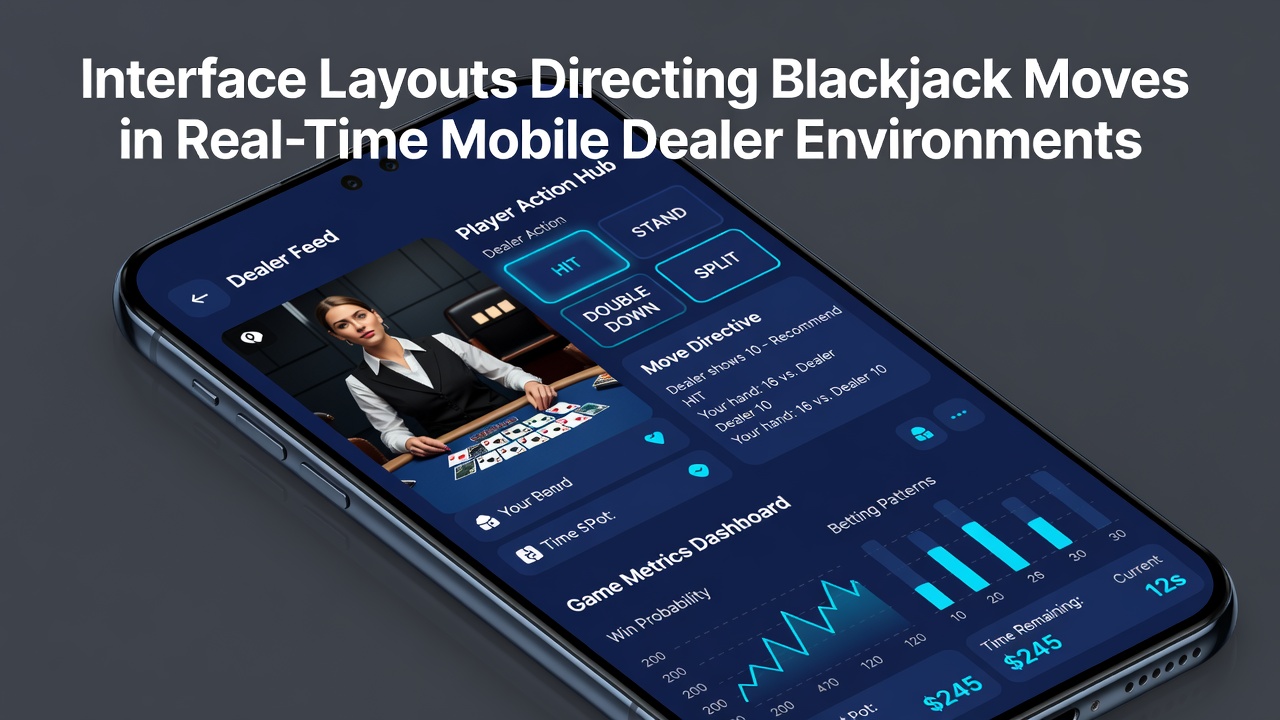
Touchscreen Configurations Guiding Blackjack Choices in Live Mobile Dealer Sessions
Interface layouts on mobile devices shape how players interact with live blackjack tables, where button placement, card visualization, and gesture controls determine the speed and accuracy of decisions such as hitting, standing, or splitting. These arrangements connect directly to real-time dealer feeds, and data from industry reports shows that optimized layouts reduce input errors by measurable margins in high-volume sessions.
Core Elements of Mobile Blackjack Interfaces
Screen designs typically divide the display into distinct zones for the dealer stream, player cards, and action buttons, while researchers note that vertical stacking of controls aligns with thumb movement patterns common in one-handed use. Horizontal layouts appear less frequently because they demand wider grips that many users avoid during extended play. Card rendering engines update positions within milliseconds of dealer actions, and this synchronization keeps the visual flow consistent across varying network conditions.
Betting sliders and chip selectors occupy the lower third of most screens because placement studies indicate faster selection times when controls sit within natural thumb arcs. Color coding for hit and stand options follows consistent patterns across platforms, yet some applications introduce subtle shading variations that highlight double-down or insurance choices during specific hand totals.
Real-Time Influence on Player Decisions
Live dealer environments transmit video at frame rates that match the interface refresh cycle, so any lag in button response can shift a player from an intended action to an unintended one. Observers have documented cases where oversized hit buttons near the screen edge increase accidental taps during rapid rounds, particularly when the dealer deals at standard casino tempos. Split and double buttons often receive secondary confirmation layers in updated designs, and figures from mobile gaming analyses reveal that these layers cut erroneous splits by noticeable percentages.
Gesture-based commands, such as swiping left to stand or tapping twice to double, integrate with physical button arrays in several applications. Those who have examined session logs report that players using combined gesture and tap methods maintain steadier decision rates across longer sequences compared with tap-only setups. The positioning of the dealer video window relative to action controls further affects focus, since overlapping elements can obscure facial cues or card reveals that some players reference before committing to a move.
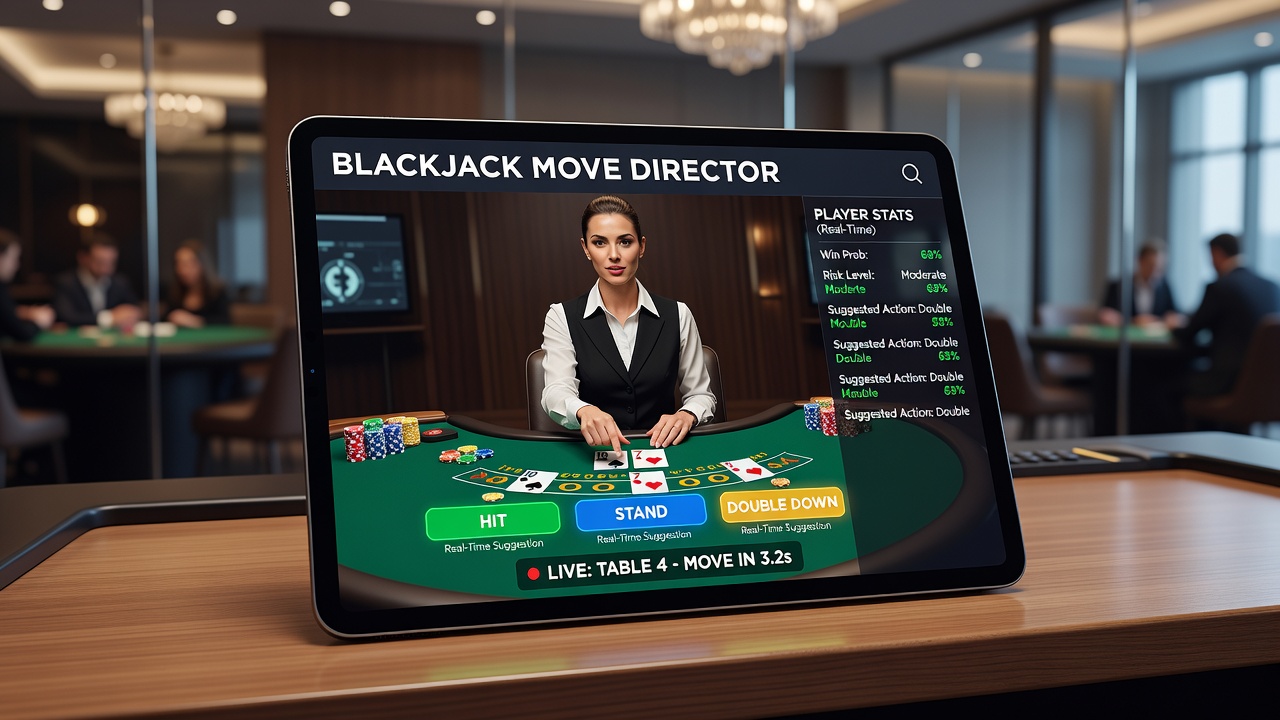
Adaptations Observed in October 2026 Updates
Platform revisions released around October 2026 introduced adaptive layouts that resize based on device orientation and screen size, and early telemetry from these changes indicates improved decision consistency across both portrait and landscape modes. Developers adjusted the spacing between insurance and surrender options after reviewing heat-map data that showed frequent mis-taps in crowded lower-screen areas. Regional testing programs in North America and parts of Asia confirmed that these spacing adjustments produced measurable reductions in correction prompts during live rounds.
Integration with external data sources allows some interfaces to display running count indicators or probability overlays without obstructing the dealer feed. According to reports compiled by the American Gaming Association, operators adopting these layered displays recorded higher retention in mobile blackjack categories during the final quarter of the year. Meanwhile, Canadian regulatory summaries highlight parallel trials where simplified menu nesting reduced the average time between dealer reveal and player input.
Comparative Layout Approaches Across Markets
European operators tend toward minimalist button sets that prioritize the core hit and stand actions, whereas North American platforms often include more secondary options such as side bets within the same visual field. Australian testing environments have explored voice-command overlays as supplements to touch controls, and preliminary results suggest these additions support players who prefer reduced screen interaction. Each approach ties back to the same underlying requirement that layouts must accommodate the unpredictable timing of live dealer card distribution without introducing additional latency.
Device-specific optimizations appear in applications that detect higher refresh-rate screens and enable smoother card animations accordingly. Such refinements maintain visual continuity when the dealer flips cards at varying speeds, and analysts tracking these features note fewer instances of players pausing to confirm their intended move after the animation completes.
Conclusion
Interface layouts continue to evolve in tandem with live dealer technology, and the documented effects on move selection demonstrate clear connections between design choices and session outcomes. Continued monitoring of these configurations across different regulatory regions provides ongoing data on how mobile environments shape blackjack play in real time.