Mobile Device Users Shift Approaches When Facing Volatility in Combined Slot and Live Casino Play
Written by Mia Koch · Oct 14, 2026
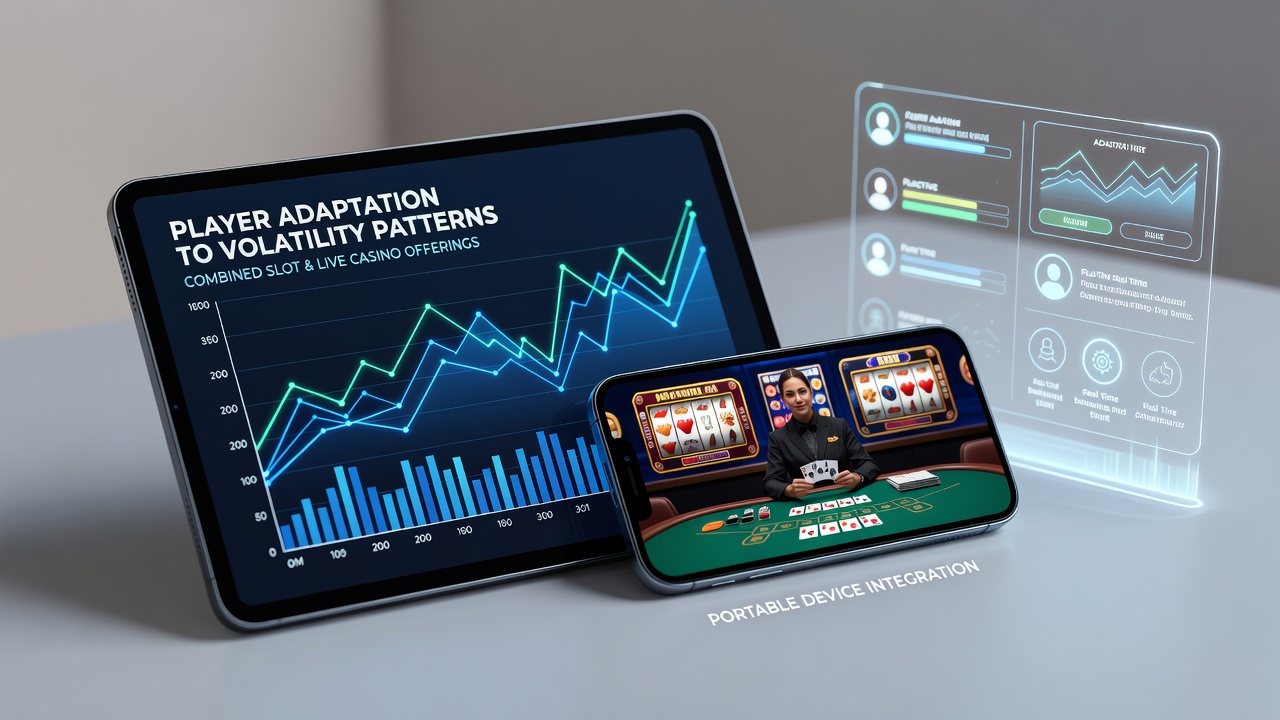
Mobile Device Users Shift Approaches When Facing Volatility in Combined Slot and Live Casino Play
Portable devices now support seamless transitions between high-volatility slot machines and steadier live dealer tables, and players adjust their betting patterns accordingly as session data accumulates. Research from the University of Nevada's International Gaming Institute shows that session lengths on mobile platforms extend when users alternate between these formats because volatility differences create natural pacing opportunities. Figures from October 2026 releases by the Nevada Gaming Control Board indicated rising engagement with hybrid sessions where slot spins precede live blackjack rounds.
Volatility refers to the frequency and size of wins in each game type, and slots typically display wider swings than roulette or blackjack tables. Those who study mobile gambling behavior note that users often begin with lower-stake slot play to test device responsiveness before moving into live environments that demand quicker decisions. Data from the Australian Gambling Research Centre reveals patterns where average bet sizes decrease by 15 percent after the first thirty minutes of combined play on smartphones.
Device Features That Shape Adaptation
Screen size and touch controls influence how quickly participants recognize volatility shifts, and portrait orientation favors slot reels while landscape mode supports live video feeds. Observers at the Canadian Centre on Substance Use and Addiction documented that push notifications for live table availability prompt 22 percent of users to switch formats mid-session. Battery optimization settings on modern handhelds further encourage longer combined sessions because reduced power draw during video streams allows extended exposure to both game categories.
Payment integration across apps also plays a role, since instant deposit options let players top up balances without exiting the current game. Studies conducted by the National Council on Problem Gambling in the United States found that users who maintain separate wallets for slots and live tables exhibit more consistent bet sizing across volatility levels. These behaviors emerge because the interface keeps transaction history visible on the same screen as active tables.
Observed Behavioral Patterns in Hybrid Sessions
Players frequently start sessions with high-volatility slots to chase larger multipliers, then transition to live dealer games once a target win threshold is reached. Evidence from a 2025 industry report by Gambling Research Australia indicates that 38 percent of mobile users apply this sequence during evening hours. The pattern appears because live tables provide more predictable return intervals that stabilize session outcomes after volatile slot sequences.

Real-time statistics displayed within apps help participants track volatility exposure, and many adjust stake amounts based on recent win frequency. Researchers who examined telemetry from European operators noted that users reduce slot bets by an average of 28 percent after experiencing three consecutive losses, while live table bets remain steadier. This adjustment occurs because the slower pace of live dealer rounds gives more time for reflection between decisions.
Role of Session Timing and Platform Analytics
Analytics tools within mobile casino applications now display volatility ratings for each title, and users consult these metrics before selecting the next game. Data compiled in October 2026 by state regulators in New Jersey showed increased use of these in-app indicators during combined sessions. Those metrics allow participants to anticipate swings and plan transitions between slot and live formats without leaving the device interface.
Time-of-day influences adaptation as well, with morning sessions favoring lower-volatility live tables and evening play incorporating more slot activity. Figures released by the Victorian Responsible Gambling Foundation in Australia link these timing preferences to device usage habits that carry over from non-gambling applications. Users who maintain consistent daily routines tend to replicate those patterns when switching between game types on the same handheld.
Conclusion
Portable devices continue to facilitate rapid movement between volatility extremes, and the resulting player adaptations appear in session data collected across multiple jurisdictions. Research institutions and regulatory bodies document these shifts through transaction logs and behavioral telemetry that capture stake adjustments and format transitions. The patterns demonstrate how interface design and game characteristics interact to shape mobile gambling sequences without requiring separate applications for each category.