Evoke plc Faces £225m Takeover Approach from Bally’s Intralot as Debt Mounts
Written by Viktor Neumann · Apr 25, 2026

Evoke plc Faces £225m Takeover Approach from Bally’s Intralot as Debt Mounts
The Takeover Proposal Takes Shape
Evoke plc, the company behind powerhouse UK gambling brands like William Hill UK and 888's online casino operations, has entered discussions with Bally’s Intralot over a potential £225 million takeover offer; structured primarily as an all-share combination, the deal includes a partial cash alternative to sweeten the pot for shareholders. Reports from World Casino Directory highlight how this approach surfaced amid Evoke's ongoing strategic review, launched back in December 2025, and no firm offer has materialized just yet, leaving the ball firmly in Bally’s Intralot's court.
What's interesting here is the timing; with the current date landing in April 2026, these talks carry extra weight as Bally’s Intralot navigates a tight deadline under UK takeover rules, requiring a formal declaration of intentions by May 18, 2026, or the pursuit ends. Observers note that such "put up or shut up" provisions prevent prolonged uncertainty, ensuring companies like Evoke can focus on operations without endless speculation hanging over them.
And while details remain preliminary, Bally’s Intralot has pitched the merger as a way to unlock synergies, aiming to bolster financial performance through combined strengths in both retail and online gambling sectors; Evoke's portfolio, rich with William Hill's high-street presence and 888's digital prowess, could mesh well with Bally’s established footprint, particularly after its recent tie-ups with Intralot for tech and lottery solutions.
Evoke's Mounting Pressures Fuel the Strategic Shift
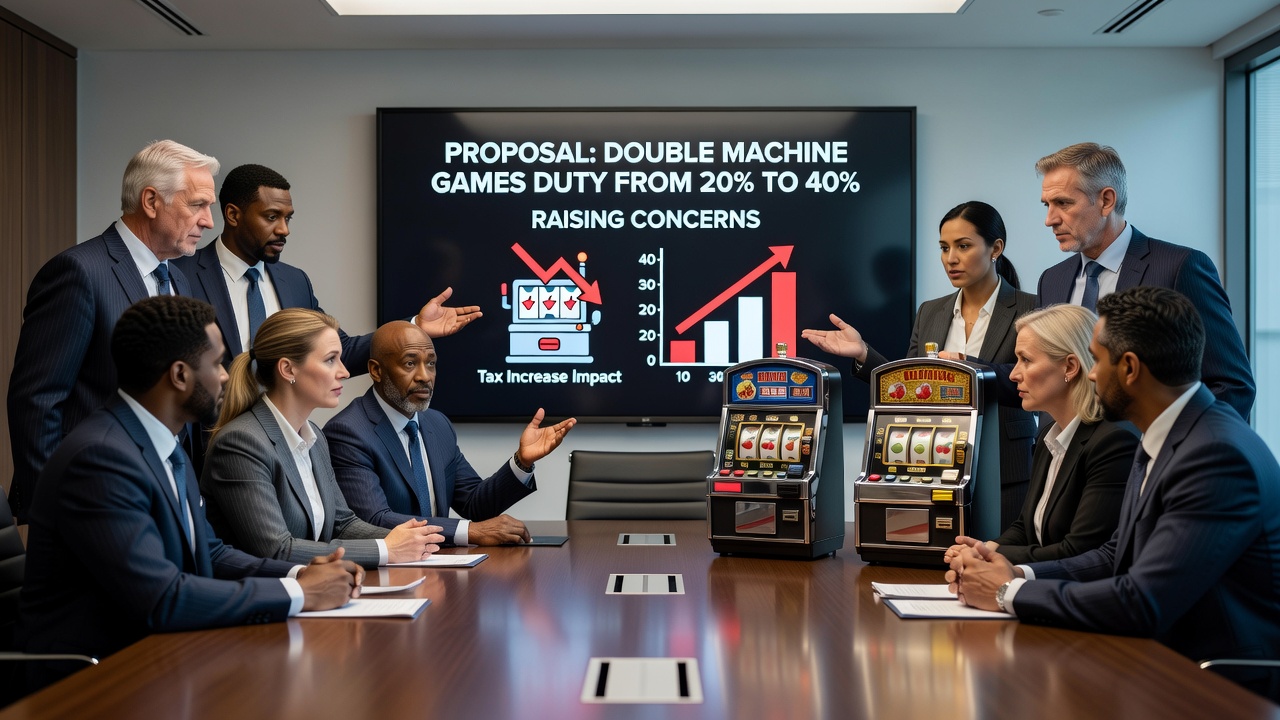
Debt weighs heavy on Evoke, clocking in at a staggering £1.8 billion, a figure that has prompted the strategic review and opened doors to suitors like Bally’s Intralot; compounding this, the UK's recent hike in Remote Gaming Duty to 40% squeezes online operators hard, hitting revenues from remote casino and betting activities right where it hurts. Data from industry trackers shows how such tax increases ripple through balance sheets, forcing firms to rethink growth paths or seek partnerships that spread the load.
Take one parallel case where observers watched a similar operator grapple with debt post-acquisition; back when Evoke snapped up William Hill's non-US assets in 2022, the deal loaded on leverage, and now, with economic headwinds and regulatory tweaks, that burden demands action. Evoke's leadership has acknowledged these strains publicly, as outlined in their official statement, urging shareholders to hold steady amid the buzz.
But here's the thing: the Remote Gaming Duty change, effective from early 2026, targets overseas-facing remote gambling at a steeper rate, while UK-facing ops stay at 21%; this split creates uneven pressure, pushing companies toward consolidations that optimize tax positions and cut overlapping costs. Researchers who've studied UK gambling finances point out that firms with mixed retail-online models, like Evoke, often weather these storms better through scale, which is exactly what Bally’s Intralot promises.
Spotlight on the Key Players
Bally’s Intralot emerges as the aggressor, blending Bally’s Corporation's casino expertise—spanning US properties and international ventures—with Intralot's tech-driven lottery and wagering platforms; recent moves, including Bally’s US acquisitions and tech integrations, position it to eye UK expansion, where Evoke holds prime real estate via William Hill's 2,400-plus shops and 888's million-strong player base. Figures reveal Evoke's online segment generated substantial revenue pre-tax hike, but retail steadiness from William Hill provides a buffer that Bally’s might covet.
Evoke itself traces roots through mergers, evolving from 888 Holdings' growth spurt into a full-spectrum operator post-William Hill deal; that acquisition, valued at £2.2 billion back in 2022, brought iconic branding but also legacy debts now totaling £1.8 billion, per recent filings. People in the industry often find that such high-profile buys lead to integration challenges, yet they pave the way for market dominance if synergies click.
Now, with Bally’s Intralot stepping up, the proposed all-share structure—supplemented by cash—values Evoke at £225 million, a metric that shareholders will scrutinize closely; market data indicates Evoke's shares have fluctuated amid debt talks, dipping below historical highs, which could make this offer appealing if it materializes. It's noteworthy that partial cash elements in such deals give investors flexibility, allowing some to cash out while others bet on the combined entity's upside.
Navigating UK Takeover Regulations
Under the UK Takeover Panel's rules, Bally’s Intralot faces a May 18, 2026, deadline to commit or walk away, a mechanism designed to shield targets like Evoke from drawn-out flirtations that disrupt business; this "put up or shut up" rule has precedent, as seen in past gambling sector bids where suitors blinked first, letting targets pivot to alternatives or standalone strategies. Experts have observed how these timelines accelerate due diligence, with advisors poring over books to assess true value.
Evoke benefits from top-tier guidance, enlisting Morgan Stanley and Rothschild & Co to evaluate the proposal; these firms bring track records in gaming M&A, having steered deals through regulatory mazes before. Shareholders, meanwhile, receive clear directives not to trade on rumors, a standard caution that prevents knee-jerk reactions; one study of recent UK bids found that premature selling often leaves holders regretting missed premiums.
So as April 2026 unfolds, all eyes stay glued to announcements, with the clock ticking toward that mid-May pivot point; failure to firm up could bar Bally’s Intralot from circling back for six months, per Panel regs, handing Evoke leverage in its review.
Potential Synergies and Broader Context
Bally’s Intralot eyes cost savings and revenue boosts from the tie-up, targeting overlaps in tech platforms, marketing, and supply chains; William Hill's retail network paired with 888's online tech could streamline operations, especially under the new duty regime where efficiency reigns supreme. Industry reports indicate that merged entities often shave 10-20% off expenses in the first year, a boon for debt-laden players like Evoke.
Yet challenges loom, including antitrust scrutiny from the Competition and Markets Authority, given the concentrated UK betting landscape; past mergers, like those involving Entain or Flutter, navigated similar hurdles by divesting assets, a path Bally’s might tread. Those who've tracked gambling consolidations know that successful ones hinge on cultural fits and quick integrations, turning initial debts into growth fuel.
Turns out, Evoke's £1.8 billion debt—split between bonds and facilities—demands refinancing soon, making a partner's balance sheet attractive; Bally’s, flush from US casino revamps and Intralot synergies, brings fresh capital that could refinance at better rates, easing interest burdens that currently eat into profits.
Conclusion
This £225 million takeover dance between Evoke plc and Bally’s Intralot underscores the high-stakes world of UK gambling, where debt, taxes, and timelines collide to reshape landscapes; with advisors in place, shareholders on notice, and a May 18 deadline looming, the next moves will clarify if synergies win out or if Evoke charts its own course. Observers wait, knowing such pivotal moments often redefine industry leaders, blending retail legacies like William Hill with digital frontiers from 888 into potentially stronger wholes. The reality is, in gambling's corporate arena, the house always recalculates odds.